L
O
A
D
I
N
G
.webp)
Best Vegetables for Weight Loss
04
April
At Red Bean Hospitality, we believe healthy eating should be both nourishing and enjoyable. One of the most effective ways to support weight loss is by including low-calorie, nutrient-dense vegetables in your daily meals.
Why Vegetables Matter
Vegetables play a key role in weight management because they are low in calories, high in fiber, and rich in essential vitamins and minerals. Their high fiber content helps improve digestion, keeps you full for longer, and reduces unnecessary snacking. In addition, most vegetables have a low glycemic impact, helping to maintain stable blood sugar levels and control cravings.
Best Vegetables for Weight Loss
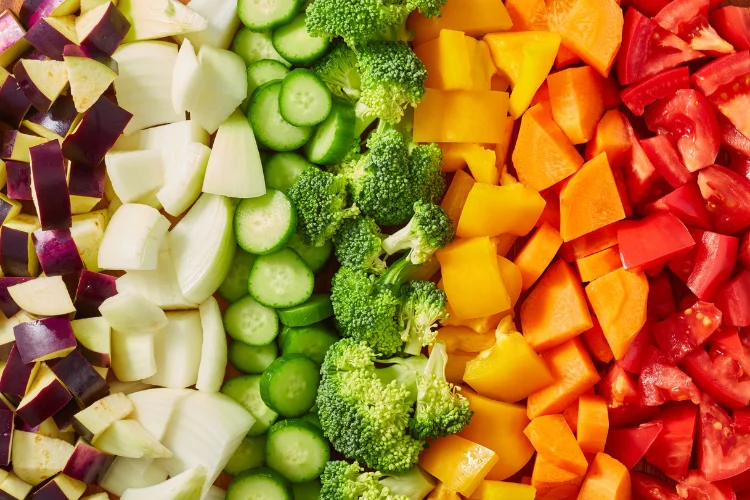
Including a variety of vegetables ensures better nutrition and prevents diet boredom. Some of the best options include:
- Leafy greens like spinach and kale – extremely low in calories and rich in iron, calcium, and antioxidants
- Cruciferous vegetables like broccoli and cauliflower – high in fiber and support gut health
- Zucchini a versatile, low-calorie option perfect as a pasta substitute
- Bell peppers rich in vitamin C and naturally add sweetness to meals
- Cucumbers hydrating and refreshing with very few calories
- Tomatoes packed with antioxidants like lycopene and great for salads and soups
How to Include More Vegetables in Your Diet
Adding vegetables to your meals doesn’t have to be complicated. Here are some simple ideas:
- Start your day with a vegetable-rich breakfast, such as a spinach omelette
- Add extra vegetables to curries, dal, or stir-fries
- Replace refined carbs with options like zucchini noodles or cauliflower rice
- Snack on raw veggies with healthy dips like yogurt or hummus
- Prepare soups and salads as light, filling meals
Smart Eating Tips
- Fill at least half your plate with vegetables
- Combine vegetables with lean protein (chicken, fish, tofu, or legumes)
- Use healthy cooking methods like steaming, grilling, or roasting
- Limit excess oil, butter, and processed sauces
- Keep your meals colorful and diverse for better nutrition
Common Mistakes to Avoid
- Overcooking vegetables, which can reduce their nutritional value
- Adding too much oil or creamy dressings
- Relying only on one or two vegetables instead of variety
- Skipping protein, which is essential for balanced weight loss
Final Thoughts
There is no single “best” vegetable — the key is variety, balance, and consistency. When combined with a healthy lifestyle, regular physical activity, and mindful eating habits, vegetables can significantly support your weight loss journey.
At Red Bean Hospitality, we focus on creating flavorful, vegetable-forward meals that promote wellness without compromising on taste — because healthy food should always be a pleasure, not a restriction.